Black History Month: Questlove
This Black History Month, we’re highlighting the incredible Ahmir “Questlove” Thompson—not just for his massive contributions to music and film, but for his openness regarding his later-in-life autism diagnosis.
Questlove’s journey offers an important perspective on how neurodivergence can influence a person’s creative direction and their relationship with the world around them.
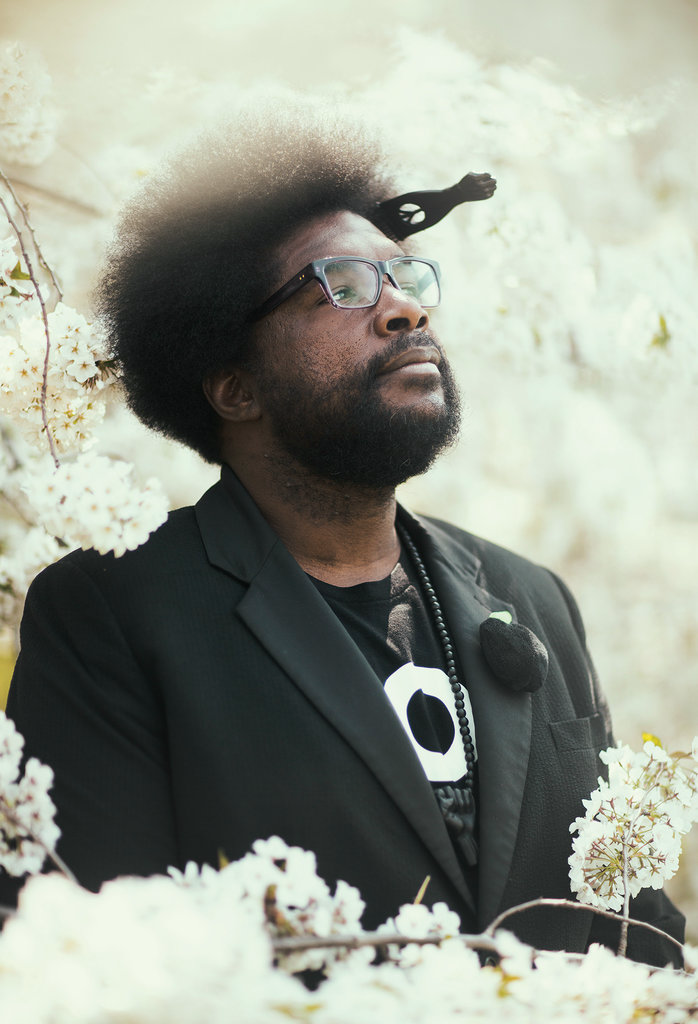
Navigating Life on a Different Frequency
Questlove has described his experience of autism as a specific way of existing. His diagnosis provided a much-needed lens to understand his life-long sense of “otherness” and his intense relationship with sound and information.
- Sensory Connection: For Questlove, music isn’t just a career; it’s like a primary language. His deep immersion in rhythm and history is a reflection of an autistic brain’s affinity for patterns and systems.
- The Power of Interest: His career—from The Roots to Summer of Soul—has been driven by deep, sustained interests. It is the result of a neurodivergent mind finding safety and expression in the things it loves. Questlove has over 70,000 records, and knows the bpm (beats per minute) for most of them, according to an NPR interview.
- Late Diagnosis & Identity: Like many Black adults, Questlove’s diagnosis came later in life. This highlights the systemic barriers to support that many Black neurodivergent people face, where behaviors are often misunderstood or “masked” to fit social expectations.
Defining Success Through Self-Understanding
By sharing his diagnosis, Questlove is helping to bridge the gap between Black identity and neurodiversity in many spaces and conversations. His experience shows that:
- Accommodation is Key: Understanding his brain has allowed him to curate his environment and career to better suit his needs.
- Representation Matters: Seeing a Black icon embrace their autistic identity encourages others to seek the support and self-compassion they deserve.
- Authenticity > Perfection: Success isn’t about “overcoming” autism; it’s about the freedom to create as your authentic self.
Questlove’s work reminds us that Black history is rich with diverse ways of thinking, sensing, and being. When we value neurodivergent perspectives, we gain a fuller, more honest picture of the human experience.